Skip to content

Warm homes, honest service, right here in Etobicoke

Phone to be confirmed 146 Thirtieth Street, Suite 207, Etobicoke, ON M8W 3C4
Etobicoke Fireplace Care

Draft page, awaiting owner approval

Water Heaters

Water Heater Maintenance

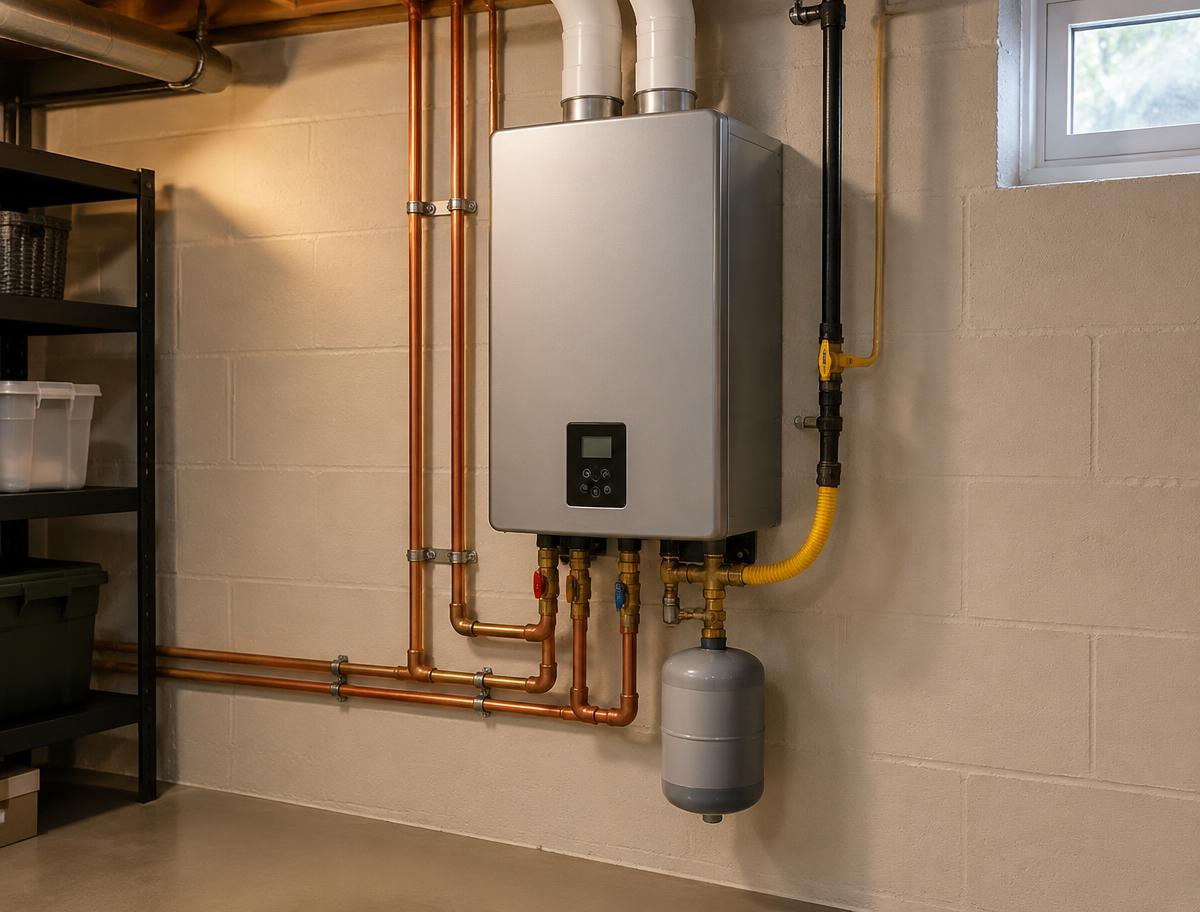
Flushing sediment and checking the anode rod helps a tank heater run quietly and resist corrosion.

Request a quote

A request only. We reply to confirm availability.

Phone or email is required.

Powered by GoogleAdding your address lets us route the nearest technician.

We use these details only to respond to your request. See our Privacy Policy. Smell gas? Leave and call your gas utility, do not use this form.

Signs to watch

Symptoms and when to stop using it

  • Rumbling tank

Shut off the water heater and its supply if it leaks heavily, smells of gas, or the relief valve discharges repeatedly. Gas odours call for leaving and calling the utility.

Scope

What the visit covers, and what it does not

Typically included

  • Flush and anode check

Not included

  • Rental tanks

Service scope, coverage and technician qualifications for this work are awaiting owner confirmation.

Water Heater Maintenance

Everything you should know

Maintenance starts with the condition of your tank

Water Heater Maintenance is about understanding what your storage heater needs before choosing a procedure. We consider the tank type, model instructions, water conditions and previous care rather than treating every vessel the same way. A heater with an established service history presents different questions from one whose valves and connections have not been touched for years. We ask about changes in noise, recovery and water appearance to help shape the assessment.

We aim to distinguish preventative care from repairs that are already necessary. A leaking vessel, damaged connection or unreliable control is not corrected simply by scheduling routine maintenance. Tell us about those conditions when you contact Etobicoke Fireplace Care so we can review the appropriate scope. We confirm service coverage for your address and availability before arranging any visit, and we do not assume a maintenance request is automatically suitable for every heater.

Understanding sediment without assuming every noise is harmless

Minerals and other material can settle in a storage tank over time. During heating, accumulated sediment may contribute to rumbling or popping as water moves through or around deposits. We ask whether the noise occurs during recovery, after a large draw or at other times. The pattern helps us distinguish a possible sediment issue from sounds transmitted through pipes or produced by nearby mechanical equipment.

A noisy tank is not a reason to open a drain valve without considering the equipment’s condition. Older valves can be difficult to operate or may not reseal as expected, and discharged water can be dangerously hot. We assess whether flushing is appropriate and explain the limitations. We do not promise that removing loose material will eliminate all sound, restore original performance or undo damage already caused by corrosion.

Flushing decisions should follow the appliance instructions

Where suitable, a maintenance plan may include flushing to remove sediment that can be carried out of the tank. The method and precautions need to match the equipment, installation and condition of the drain arrangement. We consider safe discharge, nearby finishes and the risk of leakage before deciding how to proceed. A generic online sequence cannot account for all of those conditions in your utility room.

We also explain what a flush cannot accomplish. Hardened deposits may remain, and cleaning does not rebuild a compromised tank wall. If the vessel is leaking or the drain arrangement is deteriorated, a different recommendation may be needed. We discuss the proposed work and any foreseeable limitations first. You should not begin draining or disconnecting the heater to prepare for a maintenance visit unless appropriate guidance has been provided for your situation.

The anode is part of the corrosion conversation

Many storage heaters use a sacrificial anode to help protect the vessel against internal corrosion. Its condition can be relevant to a maintenance review, but access and replacement requirements depend on the tank design. We check the model information before discussing inspection or replacement. Overhead clearance, connection condition and the manufacturer’s requirements can all influence whether the work is straightforward or requires further consideration.

Anode replacement is not a cure for an already perforated vessel. We explain its preventative purpose without suggesting that a new rod gives an old tank a fresh lifespan. Water chemistry and equipment design also matter when selecting an appropriate component. If you report odours or discolouration, we consider the wider water quality picture rather than promising that an anode change will resolve every complaint at every fixture.

A useful review extends beyond the water inside

We look at accessible external conditions that may affect the maintenance recommendation, including visible corrosion, connection seepage and the surrounding installation. We ask about the history of discharge or moisture near the base. Where the scope includes operational assessment, we relate the observations to the specific heater type. A maintenance visit should not focus so narrowly on sediment that an obvious developing leak is ignored.

For gas equipment, combustion and venting concerns require appropriate assessment rather than cleaning around a symptom. Electrical equipment has its own controls and safety considerations. We do not ask you to open covers or test components yourself. If you smell gas, leave immediately and call the gas utility from outside; do not use switches or flames. Our request form must not be used for emergencies or situations requiring immediate assistance.

Choosing an interval rather than assuming a universal calendar

We base maintenance timing on the manufacturer’s guidance, water conditions, usage and the history of the appliance. A household with frequent hot water demand may need a different discussion from one with occasional use. We also ask whether water treatment equipment is present and whether anything changed after a move or renovation. There is no single interval we can responsibly prescribe for every storage heater from a brief online description.

Keeping a simple record of service dates and observations makes future decisions more useful. We suggest retaining model information, previous findings and any notes about leakage or noise. That history can reveal whether a complaint is recurring or genuinely new. We do not treat routine care as a guarantee against failure, but it can provide opportunities to identify deterioration and plan a response before you are forced into a hurried replacement decision.

Recognizing when service should become a repair enquiry

If your water suddenly becomes cold, excessively hot or noticeably different at several fixtures, tell us before requesting a standard maintenance visit. The priority may be diagnosing a fault rather than flushing the tank. Persistent discharge, repeated shutdowns and active leakage also require a different discussion. We separate these concerns so you are not expecting a preventative service to include an undefined repair or solve an uninvestigated operating problem.

A confirmed leak through the storage vessel usually leads to replacement planning. By contrast, a serviceable fitting or control may justify a targeted repair if the rest of the system remains suitable. We explain the condition we can establish and any uncertainties. Related installation enquiries have their own scope and capability checks, so a maintenance recommendation should not be interpreted as acceptance of replacement work or an assurance that a new heater is available.

What determines the scope and cost of preventative care

We consider the equipment design, access, condition and proposed procedures when discussing cost factors. An accessible tank with clear service records is different from a confined installation with corroded connections and unknown history. Anode access may require additional planning, and the condition of a drain valve may affect the work that is sensible. We do not invent a standard price that ignores these practical differences.

Ask what the proposed assessment covers and which procedures would need separate approval. We distinguish observation, cleaning, component replacement and fault diagnosis so the scope is understandable. If a problem is uncovered, we explain whether further work is recommended and what remains unconfirmed. Parts availability can also influence a recommendation. Suitable components must be checked against the equipment rather than selected only because they appear to fit a connection.

Getting the utility area ready for a careful visit

We ask you to provide the accessible model label, a description of the heater and any available service records. Photographs of the overall area can help us anticipate tight clearances or difficult routes. Take them without moving connected equipment or removing protective panels. Tell us about floor drains, nearby stored belongings and access through finished living areas so we can understand the setting before confirming the next step.

If the heater is rented, check with the rental provider about maintenance responsibilities and permissions. In a condominium or shared building, we also need to know whether management controls the equipment room or requires advance arrangements. Clear the access route where safe, but leave valves and controls alone. We discuss any expected interruption to hot water once the scope is known rather than asking you to drain the appliance in advance.

Making seasonal planning useful without delaying a concern

A planned review before periods of heavier use can give you time to consider findings without a household scheduling crisis. We ask about winter performance because colder incoming water can change recovery expectations and make existing limitations more noticeable. Summer travel and renovation plans can also affect a convenient maintenance window. Those preferences help with a request, but they do not establish that a technician or a particular date is available.

Our business hours are 7:00 AM to 10:00 PM daily, Eastern. When you book, you send a request and we reply to confirm availability and coverage. Include the property address, heater type, maintenance history and any current symptoms. Do not wait for a routine slot if there is an unsafe condition. We want the request to reflect the present state of the equipment, not just the service label you initially searched for.

Questions

Water Heater Maintenance FAQs

Reviews

What customers say

Shared with written permission. Source: Customer feedback form, September to October 2026.

  • The technician who came to Courtice for water heater maintenance listened carefully when I asked about the findings and future upkeep. Beyond the work on the water heater, the way the appointment was coordinated left a good impression.

    Anthony Lang

    Courtice, Ontario

  • I booked water heater maintenance in Newcastle before arranging other work at the property, and the condition of the main components was explained clearly. The water heater work was easier to understand because of the explanation of the proposed cost.

    Rachel Larsen

    Newcastle, Ontario

  • What stood out during water heater maintenance in Stouffville was the attention given to the recommended maintenance items. We finished the water heater appointment feeling positive about the explanation of the proposed cost.

    Ethan Leach

    Stouffville, Ontario

  • I wanted the checks included in the appointment explained before committing to water heater maintenance in East Gwillimbury, and the technician took the time to do that. The most helpful part of the water heater appointment was the explanation of the proposed cost.

    Charlotte Lester

    East Gwillimbury, Ontario

  • We arranged water heater maintenance in Georgina before arranging other work at the property and appreciated the explanation of wear on the accessible parts. The water heater work was easier to understand because of the explanation of the proposed cost.

    Henry Lindsey

    Georgina, Ontario

  • During our Uxbridge booking for water heater maintenance, we were shown what was involved in the operating controls and connections. We finished the water heater appointment feeling positive about the explanation of the proposed cost.

    Emily Little

    Uxbridge, Ontario

Related

Related services and brands