
Skip to content

Warm homes, honest service, right here in Etobicoke

Phone to be confirmed 146 Thirtieth Street, Suite 207, Etobicoke, ON M8W 3C4
Etobicoke Fireplace Care

Draft page, awaiting owner approval

Pool Heaters

Pool Heater Repair

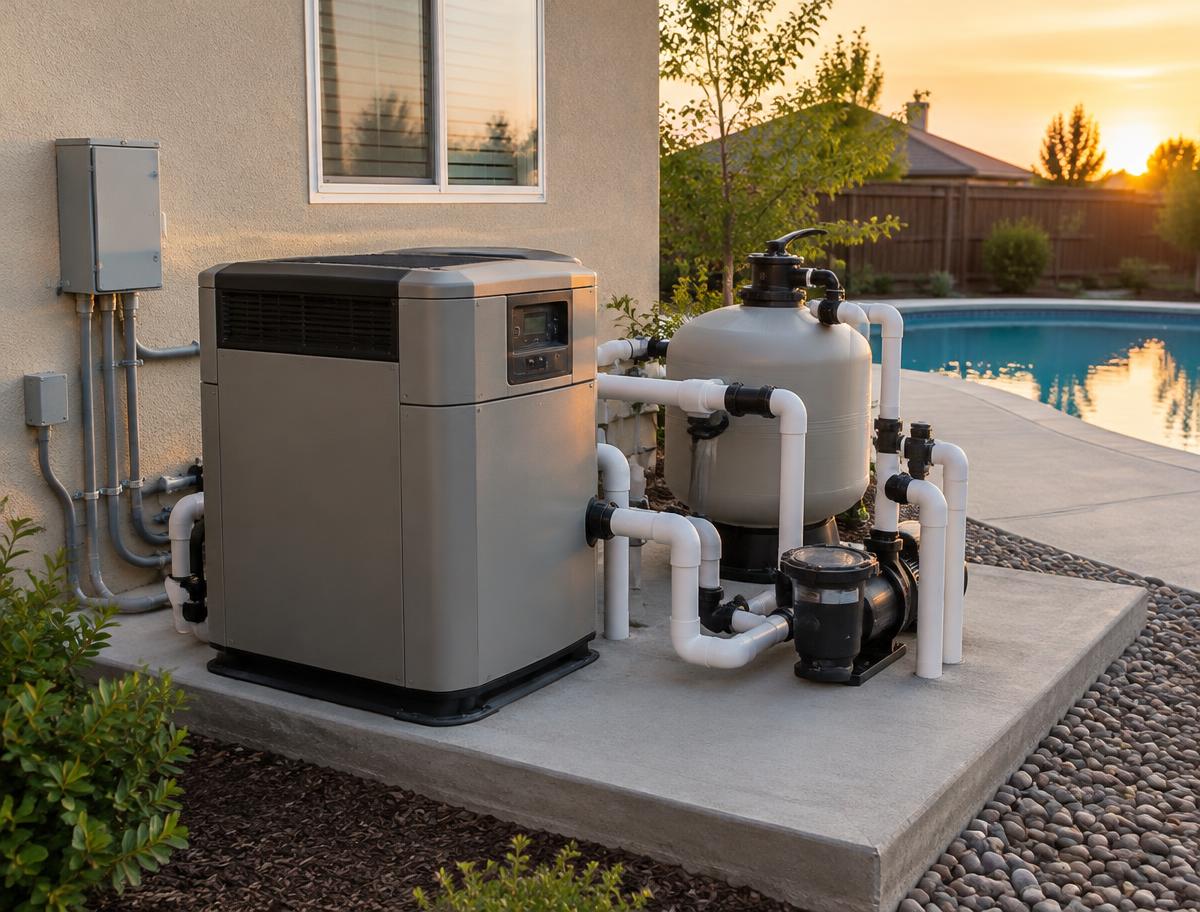
Pool heaters sit outdoors through Ontario winters and work hard during a short season. Repairs commonly involve ignition, pressure switches, flow, sensors and corrosion. We start by confirming the heater type: gas, electric resistance or heat pump.

Request a quote

A request only. We reply to confirm availability.

Phone or email is required.

Powered by GoogleAdding your address lets us route the nearest technician.

We use these details only to respond to your request. See our Privacy Policy. Smell gas? Leave and call your gas utility, do not use this form.

Signs to watch

Symptoms and when to stop using it

  • Heater fires briefly then stops
  • Error code on display
  • Water not warming

Turn the heater off if you see soot, smell gas, notice scorching, or hear loud rumbling. Gas odours call for leaving the area and calling the utility.

Scope

What the visit covers, and what it does not

Typically included

  • Heater type identification
  • Flow and pressure checks
  • Control and sensor diagnosis

Not included

  • Pool plumbing redesign
  • Pool chemistry

Service scope, coverage and technician qualifications for this work are awaiting owner confirmation.

Pool Heater Repair

Everything you should know

Identify the heater before interpreting the failure

Pool Heater Repair starts by confirming whether your equipment uses gas, electric resistance, or a heat pump. These systems warm water in different ways and do not share every fault or service requirement. Send a photograph of the accessible rating plate if possible, together with the symptom and any displayed message.

Ontario pools often move from long periods of outdoor inactivity into concentrated seasonal use. Winter exposure, startup conditions, and changes to circulation can influence what you notice. We review that context before assuming the heater itself is the only problem, and confirm whether the requested equipment type and repair scope can be supported.

Please distinguish a pool heater from equipment serving the house or a domestic hot water system. Similar names can conceal very different installations. Knowing the water heating application and equipment type lets us ask relevant questions before discussing work, access, or the possibility of a diagnostic visit.

Look at water circulation before blaming ignition

A heater depends on suitable water movement, so a flow related shutdown may originate outside the heating components. Pump operation, filter condition, valve positions, and other pool equipment can affect circulation. We ask whether the problem began after cleaning, equipment changes, opening the pool, or a change in pump scheduling.

Pressure and flow safety devices respond to conditions that require investigation. They must not be bypassed to keep the heater running. We review the available operating evidence and explain when a circulation concern needs coordination with a pool equipment provider. Restoring heat safely may require addressing the water system rather than replacing an ignition component.

Tell us whether other pool functions changed at the same time, such as reduced circulation at returns or a different pump operating pattern. You do not need to adjust valves for our benefit. Existing observations help us decide whether the heater symptom should be investigated alongside a broader circulation concern.

When the burner starts and then stops

On a gas unit, a heater that fires briefly then stops can involve ignition proving, combustion conditions, water flow, controls, or another protective shutdown. The sequence matters more than the fact that a flame appeared momentarily. We ask how often it happens and whether a code remains on the display afterward.

Do not attempt to adjust gas components, clean burner passages yourself, or repeatedly force ignition. If you smell gas, leave immediately and call the gas utility from outside. Do not use switches or flames. Do not use the request form for emergencies. Ordinary service enquiries are not a substitute for immediate safety action.

If no gas smell is present, still leave technical work to an appropriate assessment. Ignition components and protective controls are not homeowner trial and error items. We can use your description of the startup sequence without asking you to remove a panel or watch the burner from an unsafe position.

Make an error display useful to diagnosis

An error code narrows the investigation only when it is matched to the correct model information. Similar wording can refer to different monitored conditions across equipment families. Record the full display and note what the pump and heater were doing when it appeared, without opening panels or reaching into the equipment.

We use the code alongside physical condition and appropriate testing, not as an automatic order for a replacement sensor. Wiring, controls, flow, and the measured condition can all influence a warning. If the fault does not occur during the assessment, we explain what can still be checked and what information might help resolve the uncertainty.

A photograph of the message can prevent transcription errors, particularly when the display alternates between readings. Take it only from normal safe access. Include any recent power interruption or control change in your account, because timing can help connect the displayed condition with the event that preceded it.

Separate slow warming from complete failure

Water not warming as expected can reflect operating time, heat loss, weather, pool size, and heater performance. Heat pump pool heaters are particularly influenced by air conditions and their published operating limits. We ask whether the heater runs continuously, cycles, or never starts, and whether the water temperature changes at all.

A pool that loses heat overnight presents a different problem from a heater that immediately shuts down. We review your expectations and equipment information rather than promising a particular temperature rise. Cover use, exposure, and circulation scheduling can affect the overall result, but they do not excuse a confirmed equipment fault or eliminate the need for diagnosis.

Note the approximate operating schedule and whether the complaint affects a pool, spa, or shared arrangement. Different water volumes and control sequences change the context. We do not need a promised target date to begin understanding the issue, but we do need an accurate description of how the equipment is used.

Inspect seasonal exposure and corrosion honestly

Outdoor cabinets and internal components can be affected by moisture, debris, and winter conditions. Visible corrosion deserves review, but surface appearance alone does not establish the condition of every component. We ask about winterization, previous leaks, and water chemistry concerns because the heater’s history helps interpret what is found.

If leakage or deterioration suggests a heat exchanger or other major component problem, further assessment may be necessary before recommending repair. We do not assume every leak is condensation or that every rust mark requires full replacement. Avoid storing chemicals against the heater and disclose any known damage so the service plan can account for it.

If chemicals were recently added or a water chemistry issue was identified, provide any existing professional notes. We do not infer the cause of corrosion from a single photograph. Relevant records can help the appropriate assessment without turning an uncertain visual finding into an unsupported conclusion about responsibility.

Define the visit and any related trade work

A Swimming Pool Heater Repair request should include the heater type, model details, main symptom, and relevant circulation information. We review the requested scope before confirming a visit. Gas, electrical, refrigerant, and pool plumbing concerns can require different capabilities, so the appropriate work and any coordination need to be established rather than assumed.

During an assessment, the checks follow the evidence and accessible equipment. We distinguish a confirmed heater fault from an upstream circulation or supply issue. If another provider needs to address part of the problem, we explain why. Any additional repair, replacement part, or return visit is discussed separately from the initial diagnostic work.

Please mention any earlier attempted repairs and whether the symptom changed afterward. That history can reveal which questions remain unresolved. We still evaluate the current condition rather than assuming an earlier part replacement either proves the diagnosis was correct or means the same component must be replaced again.

Decide whether the remaining equipment supports repair

Pool Heater Repairs can be worthwhile when the failed part is identifiable, available, and supported by otherwise serviceable equipment. A major component failure on a deteriorated unit presents a different comparison. We consider fault history, cabinet condition, compatibility, and the practical repair scope rather than recommending replacement based only on the calendar age.

A replacement Pool Heater also needs suitable capacity, connections, location, and coordination with the existing water system. Changing heating technology may introduce electrical or other installation requirements. We discuss those implications if replacement becomes relevant, rather than treating a new unit as a guaranteed direct swap or assuming every existing connection can remain unchanged.

Parts identification may require the complete rating plate details and the condition of related components. We avoid promising a repair before that review. A discussion of replacement should also make clear which parts of the existing installation need assessment, so the choice is based on a realistic project rather than equipment cost alone.

Understand repair costs and prepare the equipment area

Cost factors include heater technology, diagnostic complexity, access, required parts, and the condition of associated connections. Seasonal parts demand and model identification can affect procurement, but we do not promise availability before checking. A reported display message alone is not enough to establish the total work or a reliable repair recommendation.

Provide safe access to the equipment area and mention locked gates, pets, limited parking, or building rules. Keep Pool Heaters accessible without removing service covers yourself. Gather any opening or winterization records you already have, and tell us about recent pump or filter work. Those details can prevent the assessment from starting with avoidable gaps in the history.

Do not drain, disconnect, or dismantle the heater solely to prepare for our visit unless an appropriate provider has given specific directions for your system. The operating history and intact installation often provide important evidence. We can explain any preparation needed after reviewing the heater type and the proposed work.

Plan requests around opening and realistic availability

If you are searching for Pool Heater Repair Near Me before opening weekend, contact us with equipment details rather than relying on a desired date alone. Early planning can help identify missing information, but no particular visit or completion time is assured. We confirm service suitability, scheduling, and any known parts requirements after reviewing the request.

Searches such as Pool Heater Repair Service Near Me, Pool Furnace Repair, or Pool Heaters Repaire can describe very different equipment problems. Tell us what you actually have and what it does. At Etobicoke Fireplace Care, we review a request for Pool Heater Repair in the context of your location and equipment, then reply to confirm scope and availability.

Before colder weather returns, follow the equipment and pool professional’s winterization guidance. Repairing a summer fault does not replace seasonal closing procedures. Keep the service findings with your pool records so a future opening or repair request can begin with the known history rather than repeating the same unanswered questions.

Questions

Pool Heater Repair FAQs

Reviews

What customers say

Shared with written permission. Source: Customer feedback form, September to October 2026.

  • The technician who came to Caledon East for pool heater repair listened carefully when I asked about the checks after the repair. Looking after the pool heater felt more manageable thanks to the explanation of the proposed cost.

    Marcus Kent

    Caledon East, Ontario

  • I booked pool heater repair in Oakville while planning our seasonal maintenance, and the symptoms we had described was explained clearly. I would mention the orderly condition of the work area to anyone asking how our pool heater appointment went.

    Amelia Kirby

    Oakville, Ontario

  • What stood out during pool heater repair in Burlington was the attention given to the component behind the problem. The orderly condition of the work area helped us feel comfortable with the work on the pool heater.

    Lucas Klein

    Burlington, Ontario

  • I wanted the repair options for our unit explained before committing to pool heater repair in Milton, and the technician took the time to do that. Beyond the work on the pool heater, the orderly condition of the work area left a good impression.

    Evelyn Lambert

    Milton, Ontario

  • We arranged pool heater repair in Halton Hills while planning our seasonal maintenance and appreciated the explanation of the way the equipment responded during testing. For our household, the orderly condition of the work area was a welcome part of having the pool heater attended to.

    Alexander Lancaster

    Halton Hills, Ontario

  • During our Georgetown booking for pool heater repair, we were shown what was involved in the cause of the intermittent trouble. I appreciated the orderly condition of the work area as much as the time spent on the pool heater.

    Grace Lang

    Georgetown, Ontario

Related

Related services and brands