
Skip to content

Warm homes, honest service, right here in Etobicoke

Phone to be confirmed 146 Thirtieth Street, Suite 207, Etobicoke, ON M8W 3C4
Etobicoke Fireplace Care

Draft page, awaiting owner approval

Pool Heaters

Pool Heater Maintenance

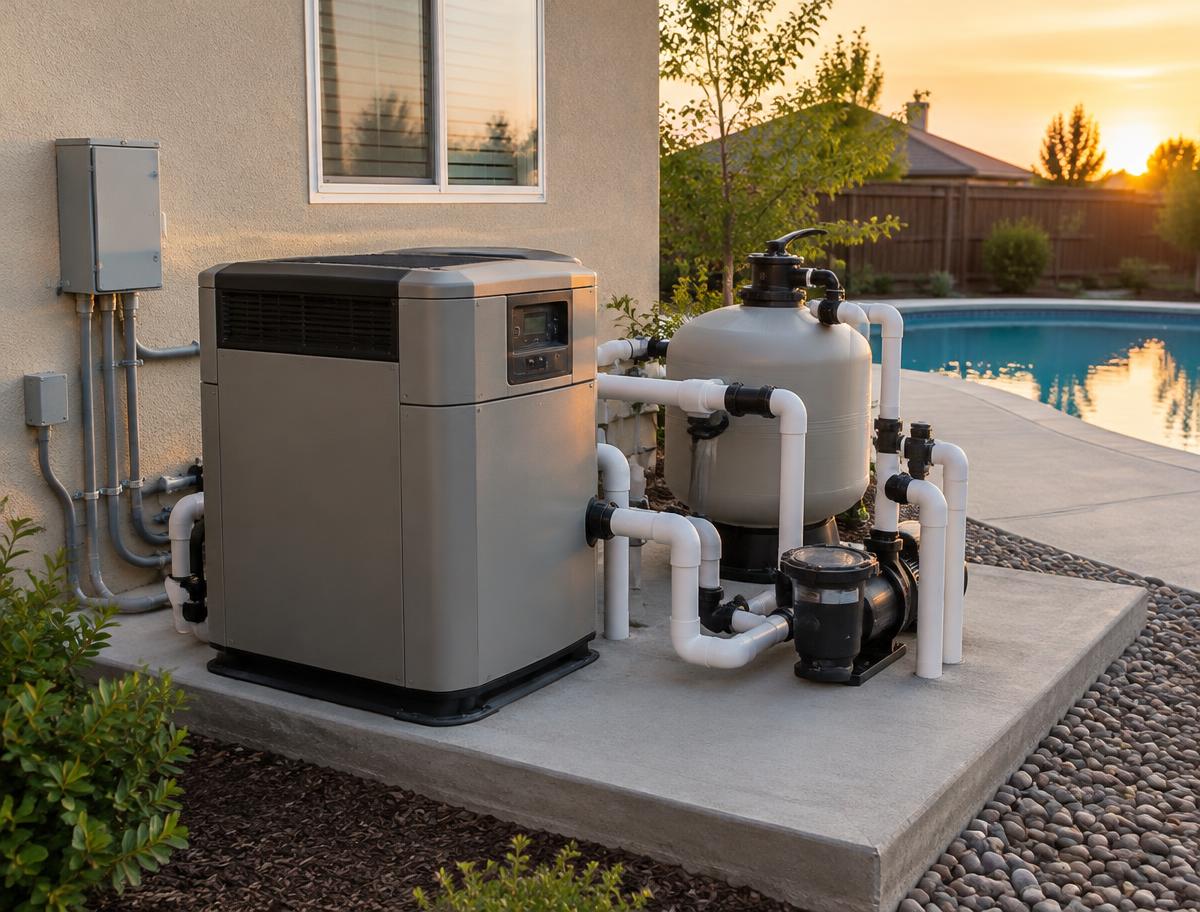
Maintenance at opening and closing protects a pool heater from debris, pests and freeze damage.

Request a quote

A request only. We reply to confirm availability.

Phone or email is required.

Powered by GoogleAdding your address lets us route the nearest technician.

We use these details only to respond to your request. See our Privacy Policy. Smell gas? Leave and call your gas utility, do not use this form.

Signs to watch

Symptoms and when to stop using it

  • Pool opening or closing

Turn the heater off if you see soot, smell gas, notice scorching, or hear loud rumbling. Gas odours call for leaving the area and calling the utility.

Scope

What the visit covers, and what it does not

Typically included

  • Inspection, cleaning and winter prep advice

Not included

  • Pool opening services

Service scope, coverage and technician qualifications for this work are awaiting owner confirmation.

Pool Heater Maintenance

Everything you should know

Maintenance follows the pool calendar

Pool heater maintenance is about caring for equipment before avoidable exposure or unnoticed deterioration becomes a larger problem. Opening, regular use and closing each create different needs. We approach maintenance as an equipment specific plan, not a generic promise that one cleaning makes a heater ready for every season. Your manual, installation arrangement and previous history help establish the relevant work. We also need to confirm the proposed service scope and availability before any visit can be arranged.

The strongest starting point is a clear record of how the heater was left at the end of the previous season. Was it operating normally, was a fault already known, and who completed the closing work? Those details help us separate routine care from an existing repair issue. If you are unsure, say so. We do not assume a pool closing included all heater requirements, or that the return of pump circulation means the heating equipment has already been assessed and is ready to operate.

Opening after months outdoors

Spring exposes the difference between a heater that was shut down appropriately and one whose condition is unknown. Debris, weather exposure and pest activity may affect the equipment area or appliance. We consider visible condition, access and the available records before deciding what operating checks are appropriate. A heater that was reliable last summer can still need attention after a long shutdown, but the mere passage of winter does not identify which component, if any, has failed.

You can help by noting changes you see from outside the equipment, including damaged covers, disturbed surroundings or new staining. Leave cabinets closed and avoid reaching into openings. We do not ask you to clear nests from internal components or test wiring to prepare for maintenance. Where the condition suggests a fault or safety concern, the next step may be assessment rather than a routine start. We explain that distinction instead of treating the first successful ignition or compressor start as proof that all seasonal care is complete.

Keeping the equipment surroundings suitable

A maintenance plan should consider what grows, collects or changes around the heater during the season. Vegetation, stored pool accessories and garden debris can affect access or interfere with the space the appliance needs. We refer to the model instructions rather than inventing universal clearance distances. The important principle is to keep the intended equipment environment intact, including air paths and access, without modifying guards or placing improvised structures over the unit.

Tell us about landscaping work or a new enclosure near the equipment. A decorative screen that seems convenient may change airflow, venting or the ability to reach service points. We can discuss concerns within the maintenance assessment, but construction changes may need separate review. Do not use the heater area for chemical storage, and follow the appliance and chemical suppliers' instructions for suitable storage locations. Maintaining the surroundings is different from opening the appliance for cleaning, which may involve hazards and equipment specific procedures.

Water care and heater condition are connected

Pool water passes through components that can be affected by unsuitable chemistry or deposits. Maintenance therefore benefits from water care records, particularly if the heater has a history of corrosion, scaling or exchanger trouble. We consider those records as context rather than promising that a heater visit will balance the whole pool. The relevant limits and procedures should be checked against the equipment documentation and the pool's treatment system.

A recurring water related problem may need attention beyond the heater itself. We ask whether chemical dosing equipment, plumbing or pool care practices have changed since the previous season. That information can help explain why similar damage might return even after a component has been replaced. Maintenance cannot undo all existing deterioration, and cleaning is not automatically suitable for every deposit or material. We discuss findings and any limits before assuming that treatment, replacement or further specialist investigation is the appropriate route.

Watching for changes during normal use

Between seasonal appointments, your normal observations can reveal when maintenance is no longer the only issue. A heater that repeatedly shuts down, develops a new sound or shows a persistent message may require diagnosis. We encourage you to note when the change occurs and what other pool equipment is running. You do not need to provoke the fault, open the heater or adjust safety controls to make those observations useful.

Consistent records are more valuable than frequent experimental setting changes. Write down the date, displayed message and whether circulation was normal, then include that information in a request. If the equipment presents an immediate hazard, stop treating it as a routine maintenance enquiry. For gas odour, leave immediately and call the gas utility from outside. Do not use switches or flames, and do not use our request form for emergencies. Other unsafe electrical or mechanical conditions also warrant keeping clear and obtaining appropriate urgent assistance.

Closing requires the correct equipment procedure

Winter protection depends on the actual appliance and how it is installed. Gas heaters, electric resistance equipment and heat pumps can have different requirements, and connected plumbing can alter the work involved. We do not provide a generic draining recipe or suggest that one valve position protects every heater. The manufacturer's closing instructions and the system arrangement must guide the work, with an appropriate confirmed scope for any maintenance assistance you request.

Freeze damage may occur when water remains where the equipment requires it to be removed or otherwise protected. A pool that appears closed can still have an unresolved heater concern. We ask who is responsible for each part of the shutdown so the heater is not accidentally overlooked between providers. If the manual is missing, the model information is important before planning. Do not improvise with compressed air, chemicals, plugs or covers based on advice intended for a different unit or a neighbour's installation.

Covers, pests and the months of inactivity

Off season protection is not simply a matter of covering every opening. The appropriate cover and any restrictions should come from the heater instructions. An unsuitable wrap can trap moisture or interfere with ventilation, and a cover must not remain in a position that conflicts with operation. We can review the proposed seasonal approach, but we will not assume that any commercially sold accessory is suitable for your model or site.

Pest evidence also needs a careful response. Material inside a cabinet may affect electrical components, air paths or combustion areas, depending on the heater. We want to know what you have observed without asking you to disturb it. Removal, sanitation and repair may be separate tasks, particularly if wiring or insulation is damaged. Maintenance planning should record the issue so the next opening does not begin with an uninformed start attempt. Leave protective panels intact and avoid placing bait or treatment products inside equipment without suitable guidance.

Deciding when care has become repair

Routine maintenance cannot correct every consequence of corrosion, freezing or long term wear. If we identify a damaged component or an unresolved operating fault, we distinguish the repair recommendation from the seasonal work originally requested. A heater may need both, but the decisions should remain clear. Replacing one failed part also does not establish that the entire appliance is in good condition, particularly where deterioration affects several assemblies or the service history is incomplete.

Repair versus replacement depends on findings, parts availability and the remaining condition of the equipment. We consider whether a repair addresses the cause or merely the latest symptom. If a new installation is being considered, capability and requirements need separate confirmation. We do not portray maintenance as a guarantee against breakdowns or freezing, and we do not invent a service interval that overrides the manual. Your equipment, environment and usage should shape the ongoing plan rather than a universal calendar that ignores these differences.

Budgeting and preparing for seasonal work

The work involved in maintenance depends on access, heater type, condition and the seasonal tasks being considered. Cleaning needs, unresolved faults, missing documentation and coordination with pool opening or closing can affect the scope. We explain these factors without supplying made up prices or assuming every request fits a fixed package. If repairs or specialist work become necessary, those are additional considerations rather than something silently included in the word maintenance.

Before a proposed visit, gather the manual, model information and any prior closing records you have. Provide a clear route, gate arrangements and details about pets or shared access. Tell us whether the pool is circulating, already drained or awaiting another provider's work. These practical details help determine which tasks can be considered and in what order. Booking a maintenance visit means submitting a request for review; we still need to reply and confirm availability rather than treating your preferred date as an established appointment.

Creating a useful history for next season

A short maintenance record helps connect one season to the next. Keep notes about work performed, parts replaced, unresolved observations and any instructions provided for the specific equipment. We recommend recording who completed opening and closing tasks so responsibility is clear without relying on memory. Photographs of safely visible condition can also help show changes over time, particularly where corrosion, drainage or nearby landscaping has become a recurring concern.

When contacting Etobicoke Fireplace Care about pool heater maintenance, explain where you are in the season and what you need help planning. We can review the equipment information and discuss the request, with coverage, scope and availability subject to confirmation. If the heater has already developed a fault, include that fact rather than describing the enquiry only as routine care. A clear history supports a more practical conversation and helps keep seasonal protection, operating service and actual repair work from being confused with one another.

Questions

Pool Heater Maintenance FAQs

Reviews

What customers say

Shared with written permission. Source: Customer feedback form, September to October 2026.

  • Having pool heater maintenance organised for our Scugog home made it easier to get clear answers about the findings and future upkeep. With our pool heater, I especially appreciated being consulted before additional work.

    Samuel Henson

    Scugog, Ontario

  • We requested pool heater maintenance after moving into the house; the visit in Port Perry included a helpful discussion of the condition of the main components. As someone unfamiliar with the pool heater, I valued the opportunity to ask follow-up questions.

    Victoria Hester

    Port Perry, Ontario

  • I booked pool heater maintenance in Etobicoke after moving into the house, and the recommended maintenance items was explained clearly. It was reassuring to have the opportunity to ask follow-up questions alongside the attention to our pool heater.

    Nathan Higgins

    Etobicoke, Ontario

  • What stood out during pool heater maintenance in North York was the attention given to the checks included in the appointment. For this pool heater visit, the opportunity to ask follow-up questions made the process easier to follow.

    Chloe Hodges

    North York, Ontario

  • I wanted wear on the accessible parts explained before committing to pool heater maintenance in Scarborough, and the technician took the time to do that. My partner also remarked on the opportunity to ask follow-up questions during the work on our pool heater.

    Adam Hoffman

    Scarborough, Ontario

  • We arranged pool heater maintenance in East York after moving into the house and appreciated the explanation of the operating controls and connections. It was reassuring to have the opportunity to ask follow-up questions alongside the attention to our pool heater.

    Claire Holland

    East York, Ontario

Related

Related services and brands