
Skip to content

Warm homes, honest service, right here in Etobicoke

Phone to be confirmed 146 Thirtieth Street, Suite 207, Etobicoke, ON M8W 3C4
Etobicoke Fireplace Care

Draft page, awaiting owner approval

Pool Heaters

Pool Heater Plumbing

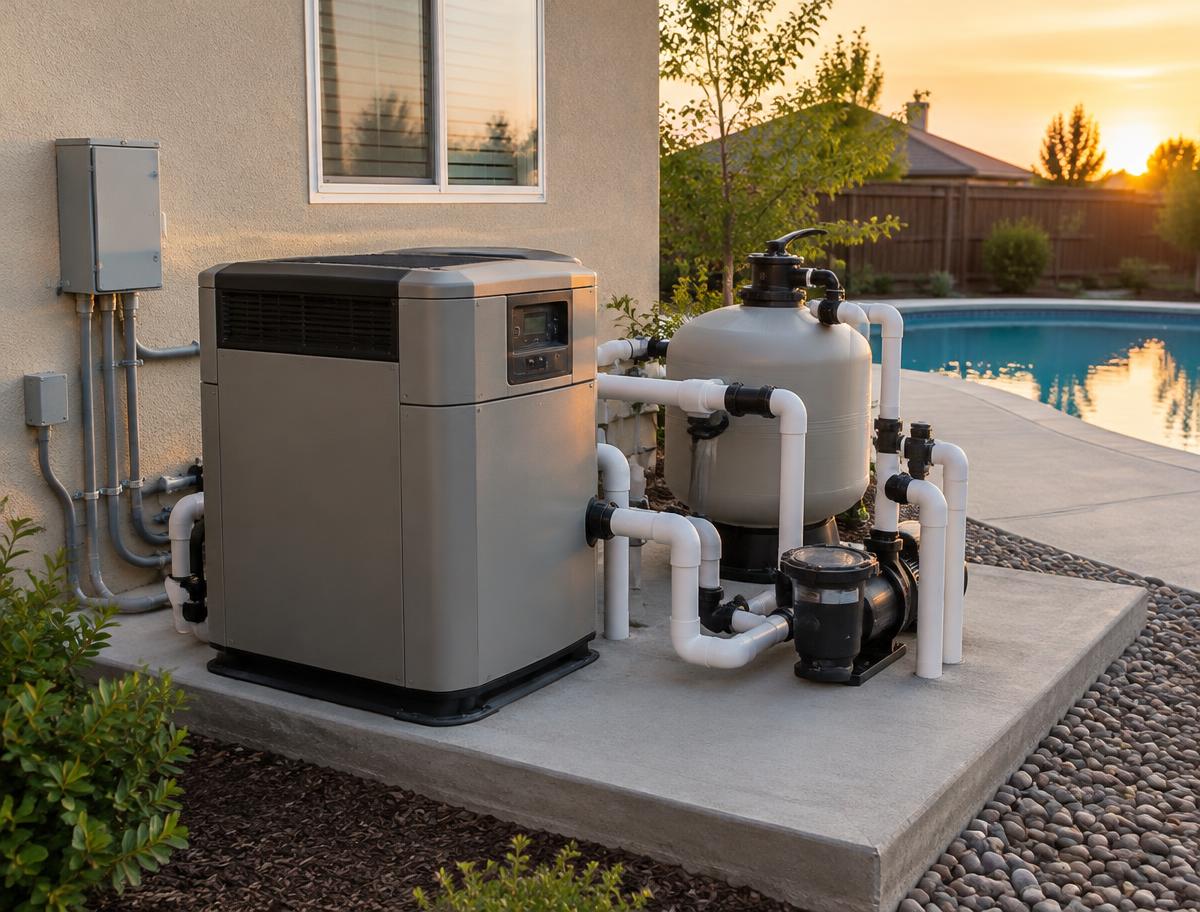
Bypass valves, unions and check valves around the heater affect flow and serviceability.

Request a quote

A request only. We reply to confirm availability.

Phone or email is required.

Powered by GoogleAdding your address lets us route the nearest technician.

We use these details only to respond to your request. See our Privacy Policy. Smell gas? Leave and call your gas utility, do not use this form.

Signs to watch

Symptoms and when to stop using it

  • Leaking unions
  • No bypass

Turn the heater off if you see soot, smell gas, notice scorching, or hear loud rumbling. Gas odours call for leaving the area and calling the utility.

Scope

What the visit covers, and what it does not

Typically included

  • Assessment (capability pending)

Not included

  • Full pool plumbing

Service scope, coverage and technician qualifications for this work are awaiting owner confirmation.

Pool Heater Plumbing

Everything you should know

The pipe arrangement is part of heater performance

Pool heater plumbing does more than move water between two connections. It determines how the heater receives circulation, how it can be isolated for service and how it interacts with treatment equipment. A layout that looks tidy can still create restrictions or make maintenance unnecessarily difficult. We review the route through the equipment pad as a working system, with attention to the requirements of the actual heater rather than an assumed standard arrangement.

You may be requesting help because unions leak, a bypass is missing or new equipment does not fit the existing pipework. Others notice repeated flow faults after a pump replacement or find that a previous repair has left fittings under strain. We ask what changed and what you want the work to achieve. That helps distinguish a localized connection repair from a more substantial redesign of the water path.

Understanding the purpose of a bypass

A bypass provides a route for water around the heater when the design calls for one. Whether an external bypass is required, and how it should be arranged, depends on the appliance instructions and the pool system. Some equipment also contains internal flow management components. We do not assume that every installation needs the same external valve configuration or that adding a bypass automatically corrects an operating problem.

An absent bypass can make you wonder whether the original installation was incomplete, but the answer requires model specific information. An existing bypass can also create trouble if its arrangement allows unsuitable flow through the heater. We examine the intended function before recommending changes. Please do not experiment with unfamiliar valve positions to diagnose poor heating, because a seemingly small adjustment can alter the conditions the heater depends on.

Unions should support service access without carrying stress

Unions allow certain connections to be separated for service, but they need compatible components, appropriate alignment and adequate space. A leaking union may involve a seal, damaged mating surface or strain from adjacent pipes. Tightening the connection harder is not a reliable diagnosis. We look for the reason the joint is failing and consider whether the neighbouring pipework allows it to sit naturally without being forced into position.

We also consider future access. A union placed against another component may technically exist while still being difficult to use. Equipment replacement can become more involved when several connections are crowded together or glued pipe sections leave little room for alterations. During planning, we discuss the practical service route and identify where the existing layout constrains the options rather than promising that every component can be retained.

Check valves and chemical equipment need coordinated placement

The relationship between a heater and chemical feeding equipment deserves careful review. Depending on the system and manufacturer requirements, measures may be needed to limit unwanted chemical movement towards heater components. A check valve is not a universal solution regardless of location, orientation or condition. We assess how the treatment equipment and circulation path are intended to work together before recommending a specific arrangement.

If a valve has become restricted or no longer performs its intended function, there may be consequences beyond a visible leak. We ask about past heater corrosion, recent changes to chemical equipment and whether any components have been removed or relocated. Those details help identify relevant questions without assuming a cause. Pool water management remains important after plumbing work; a revised pipe layout cannot compensate for unsuitable chemical conditions on its own.

Matching flow requirements to the rest of the pad

A heater shares its circulation system with the pump, filter and sometimes additional features. Pipe sizing, fittings and valve arrangements influence that shared system. We consider the specified operating requirements rather than judging suitability only by the outside diameter of a connection. A series of restrictive fittings or a changed pump can affect performance even if the heater itself has not been moved or modified.

Variable speed operation adds another factor because the circulation available during one schedule may differ from another. We want to understand when heating is requested and how the pump operates at that time. Plumbing changes should support appropriate flow without defeating protective devices. If the symptoms point to a control or sensing problem rather than pipework, we explain that distinction so an unnecessary plumbing alteration does not become the default answer.

How we develop a practical plumbing scope

We start with your reason for requesting pool heater plumbing work, photographs of the whole equipment area and the model details you can safely provide. For a suitable request, an assessment considers connections, access, apparent material condition and the relationship between components. We may need measurements or additional equipment documentation before defining the work. A photograph can reveal constraints but cannot establish every hidden condition or operating requirement.

We then separate essential corrections from optional changes intended to improve future access or accommodate planned equipment. That distinction gives you a clearer basis for deciding what to proceed with. If another issue needs attention first, such as a leaking heater or an unresolved circulation fault, we identify the dependency. We do not describe a proposed arrangement as final until the equipment requirements and site conditions have been reviewed.

When to repair a connection and when to rethink the layout

A limited repair may be appropriate where a single connection has failed and the surrounding installation remains suitable. A broader alteration may be worth considering when multiple joints are strained, access is poor or a replacement heater changes the required connections. We avoid expanding a straightforward repair without a reason, but we also explain when repeatedly patching the same section may leave a recurring problem unresolved.

If you are planning a new heater, pump or treatment system, tell us before existing plumbing is altered. Coordinating the decisions may prevent a newly repaired section from needing another change soon afterwards. The right scope depends on what equipment will remain, what is being replaced and which requirements apply. Retaining serviceable pipework may be possible, while damaged or incompatible sections may need to be included in the proposal.

What affects the cost of pool heater pipework

The work involved depends on the number and type of connections, the available working space, material compatibility and how much of the layout needs to change. A crowded pad may require more planning than an open installation even if the visible defect seems similar. Component availability, required isolation arrangements and the need to coordinate with equipment replacement can also affect the eventual scope and associated cost.

We provide a scope based on the actual task rather than a universal price per leaking joint. Ask which components are being retained, which are being replaced and whether the proposed work includes investigation of the original symptom. If additional defects become apparent during assessment, they should be distinguished from the initial request. Clear boundaries help you understand what the proposed plumbing work is expected to address and what it is not.

Getting the site ready and choosing a sensible season

Before requesting a visit, gather any available heater and pump model information, equipment manuals and photographs showing the overall pad. Include the position of chemical feeders and any valves you want assessed. Clear ordinary stored items from the access route if it is safe to do so, and describe gates or enclosure restrictions. Do not cut pipes, remove unions or drain equipment as preparation unless that work has been appropriately arranged.

Plumbing concerns are often easier to plan before peak swimming use or alongside scheduled equipment changes. Spring opening can reveal winter damage, while autumn planning may identify winterization access problems. We cannot promise that a seasonal deadline will be met, and the appropriate work may depend on conditions at the site. Booking means sending a request for review; we reply to confirm suitability, coverage and available scheduling rather than treating the form as an appointment confirmation.

Keeping plumbing work separate from appliance repair

New pipework will not necessarily correct ignition failure, a damaged exchanger or an electrical fault. Equally, replacing an internal heater part may leave a restrictive or poorly supported plumbing arrangement unchanged. We explain which findings relate to water delivery and which concern the appliance itself. Related pool heater leak investigation or startup troubleshooting may be appropriate, but those are separate questions that should not be hidden inside a vague plumbing recommendation.

Etobicoke Fireplace Care reviews each request against the equipment and work involved, with service capability and area coverage requiring confirmation. If the work area includes wet electrical equipment, keep clear and obtain appropriate assistance. For a gas smell near any gas appliance, leave immediately and call the gas utility from outside; do not use switches or flames. Emergency concerns should never be sent through the ordinary request form.

Questions

Pool Heater Plumbing FAQs

Reviews

What customers say

Shared with written permission. Source: Customer feedback form, September to October 2026.

  • We requested pool heater plumbing after moving into the house; the visit in Aurora included a helpful discussion of the checks after the repair. For this pool heater visit, the way the appointment was coordinated made the process easier to follow.

    Jack Johnston

    Aurora, Ontario

  • For our home in Newmarket, pool heater plumbing started with a useful conversation about the symptoms we had described. For our household, the explanation of the proposed cost was a welcome part of having the pool heater attended to.

    Lily Joyce

    Newmarket, Ontario

  • Our King City appointment for pool heater plumbing gave us a much better understanding of the component behind the problem. I appreciated the explanation of the proposed cost as much as the time spent on the pool heater.

    Isaac Kane

    King City, Ontario

  • The visit to our Nobleton home covered pool heater plumbing, with particular care around the repair options for our unit. Looking after the pool heater felt more manageable thanks to the explanation of the proposed cost.

    Natalie Keller

    Nobleton, Ontario

  • At our property in Bolton, the technician talked us through the way the equipment responded during testing as part of pool heater plumbing. For our household, the explanation of the proposed cost was a welcome part of having the pool heater attended to.

    Ryan Kelley

    Bolton, Ontario

  • Having pool heater plumbing organised for our Caledon home made it easier to get clear answers about the cause of the intermittent trouble. I appreciated the explanation of the proposed cost as much as the time spent on the pool heater.

    Melissa Kendall

    Caledon, Ontario

Related

Related services and brands